

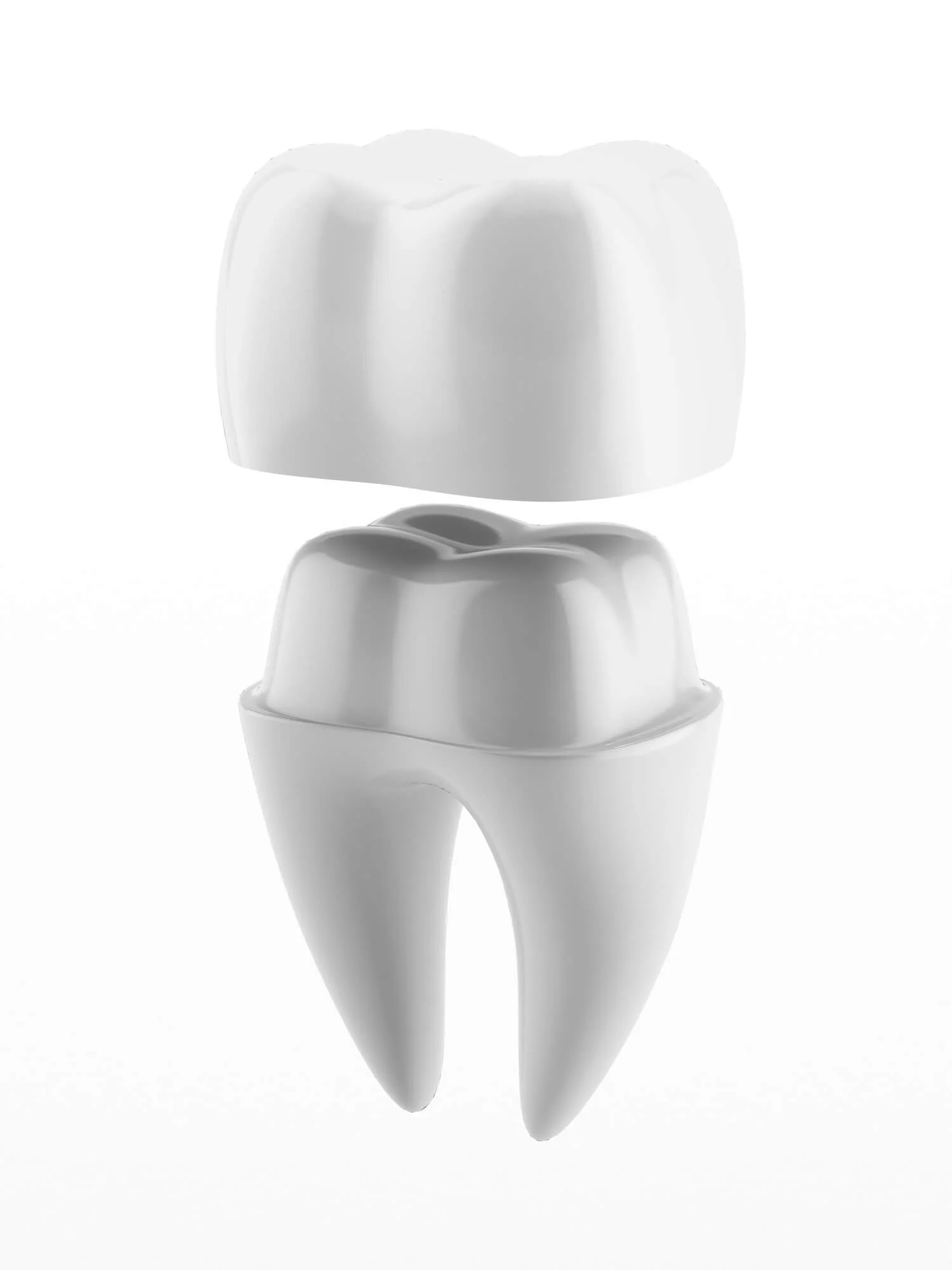
Key Benefits of Dental Crowns
- Replaces missing teeth
- Offers support to misshapen teeth or badly broken teeth
- Looks completely natural
- Fixes “smile” and functional chewing problems
How Long Does It Take to Fit a Dental Crown?
Fitting a crown requires at least two visits to our office. Initially, we will remove decay, shape the tooth, and fit it with a temporary crown of either plastic or metal. On the subsequent visit, we will remove the temporary crown and then fit and adjust the final crown. Finally, we will cement the crown into place, and you will have a new, beautiful-looking tooth.
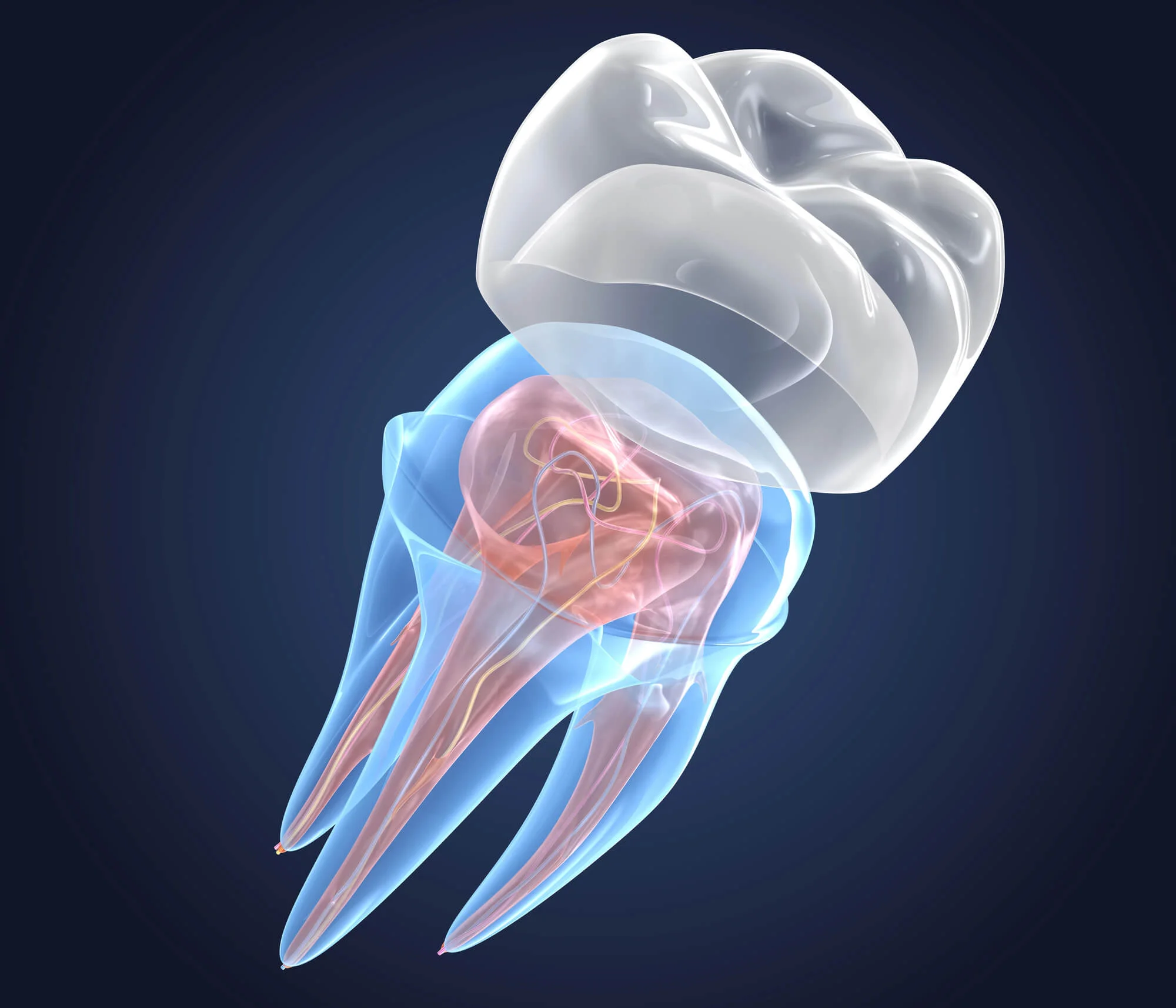
The Process of Getting a Dental Crown: Step by Step
When you decide to get a dental crown, it's important to know what to expect during the entire process. In addition to the two visits already mentioned, several crucial steps are required to ensure your crown fits comfortably and lasts for years.
During your first visit, your dentist will assess the affected tooth to determine whether a crown is the best option. If so, they will start by removing any decayed or damaged tissue from the tooth. After cleaning the area, the dentist will shape the remaining tooth structure to allow the crown to be properly fitted. A mold of your tooth is taken, and a temporary crown is placed to protect the tooth until the permanent crown is ready.
The second visit involves removing the temporary crown and replacing it with the permanent one. Your dentist will carefully check the fit, shape, and appearance of the crown to make sure it matches your natural teeth. Once everything is aligned, the crown is cemented into place, completing the restoration.
Dental Crowns: A Versatile Solution for Various Dental Issues
Dental crowns are highly versatile and are used to address a wide range of dental issues. From strengthening weak teeth to improving the aesthetics of your smile, crowns play a vital role in dental restoration.
Crowns are commonly used for:
- Protecting weakened teeth: Teeth that are cracked, worn down, or extensively decayed benefit from crowns, which help restore strength and prevent further damage.
- Covering dental implants: Crowns are placed over dental implants to restore the appearance and function of a missing tooth.
- Improving the appearance of teeth: Crowns can be used to correct cosmetic issues such as discoloration, chips, or cracks, helping you achieve a more uniform, aesthetically pleasing smile.
By addressing both functional and cosmetic issues, dental crowns help improve the overall health and appearance of your teeth.
Durability and Longevity of Dental Crowns
Dental crowns are designed to be durable and long-lasting, often providing years of service with proper care. In fact, many crowns last between 20 and 30 years, making them one of the most reliable long-term solutions for dental restoration. The materials used in crowns, such as high-grade porcelain or porcelain bonded to gold, ensure that they can withstand the forces of chewing and grinding without cracking or breaking.
To maximize the longevity of your dental crown, it’s essential to practice good oral hygiene. Regular brushing, flossing, and visits to your dentist for cleanings and checkups will keep your crown and surrounding teeth healthy for years to come.
When Should You Consider Getting a Dental Crown?
Dental crowns are often recommended when other treatments, such as fillings, are no longer sufficient to restore a tooth. There are several situations in which your dentist may suggest a crown:
- After a root canal: If your tooth has undergone a root canal, a crown is often needed to protect the tooth and restore its strength.
- For severely decayed or damaged teeth: When a tooth has significant decay or is structurally compromised, a crown can provide the necessary support and prevent further damage.
- To restore a broken or cracked tooth, crowns are ideal for repairing teeth damaged by injury or wear.
If you're unsure whether a dental crown is the right option for your situation, it’s best to consult with your dentist for an evaluation and recommendation.
Crowns vs. Veneers: Which One is Right for You?
Both crowns and veneers are used to improve the appearance of teeth, but they serve different purposes. While crowns cover the entire tooth and provide strength and protection, veneers are thin shells placed over the front of the tooth primarily for cosmetic purposes.
- Crowns are typically recommended for teeth that are significantly damaged or weakened, whereas veneers are used to address minor cosmetic imperfections, such as chips or discoloration.
- Crowns provide a more comprehensive solution, covering the entire tooth structure, while veneers are more conservative, covering only the front surface.
If you’re considering a dental restoration, your dentist can help you decide which option is best based on your teeth's condition and aesthetic goals.
What Are the Capabilities of Crowns?
Crown and bridgework is a very reliable solution for major dental problems caused by accidents, diseases, or wear and tear. Major problems can usually be corrected using these techniques. The material used in these repairs is either high-grade porcelain or porcelain bonded to gold. A higher strength of porcelain and gold materials is recommended for treating the most serious dental problems. Where accidental damage has resulted in lost teeth, or where teeth have broken away through excessive wear or due to old fillings breaking, dental crowns and/or dental bridges can be used as a long-term solution.
Many people have unexplained pain from filled back teeth, which is usually due to hairline cracks in the chewing part of the tooth. Placing crowns on these teeth relieves pain and restores full dental function. In front teeth, older fillings can both weaken the teeth and cause “appearance” problems due to staining or chipping. Porcelain crowns and bridges are suitable in cases where porcelain veneers are not. In teeth with root canal fillings, crowns can prevent breakage.

Take the Next Step Towards a Beautiful, Functional Smile
If you’re dealing with cracked, damaged, or missing teeth, dental crowns could be the solution you’ve been looking for. At the Bethesda Center for Family & Cosmetic Dentistry, we specialize in providing high-quality crowns that are both functional and aesthetically pleasing. Whether you need a single crown or a full-mouth restoration, we offer personalized care tailored to your needs.
Contact us today to schedule a consultation and learn how dental crowns in Bethesda can restore your smile and improve your dental health.