
.webp)
.webp)
What Is Osseous Surgery?
Osseous surgery — also known as pocket reduction surgery or flap surgery — is a periodontal procedure designed to treat moderate to severe gum disease that has caused bone loss around the teeth. During the procedure, your dentist or periodontist gently folds back the gum tissue to access the roots of the affected teeth and the underlying bone. Tartar, calculus, and bacteria that have accumulated in the deep pockets between your gums and teeth are carefully cleaned away.
Once the area is thoroughly cleaned, any irregularities in the bone are smoothed out to eliminate the nooks and crannies where bacteria like to hide. The gum tissue is then sutured back into place, often at a position that reduces the depth of the periodontal pockets — making it easier to keep clean going forward. In some cases, bone grafting material may be used to promote regeneration in areas with significant bone loss.
Why Is Osseous Surgery Important?
Advanced gum disease doesn't just affect your mouth — it's been linked to serious systemic health issues, including heart disease, diabetes, and respiratory illness. When periodontal pockets deepen, they become impossible to clean with a toothbrush or floss alone. Bacteria colonize these areas, triggering chronic inflammation and progressive bone loss that, if untreated, can eventually lead to tooth loss.
Osseous surgery stops that cycle. By eliminating the infected tissue, cleaning the root surfaces, and reshaping the bone, the procedure gives your immune system a fighting chance and creates an environment where proper home care can actually be effective. For many patients, it's a critical turning point in their battle against gum disease.
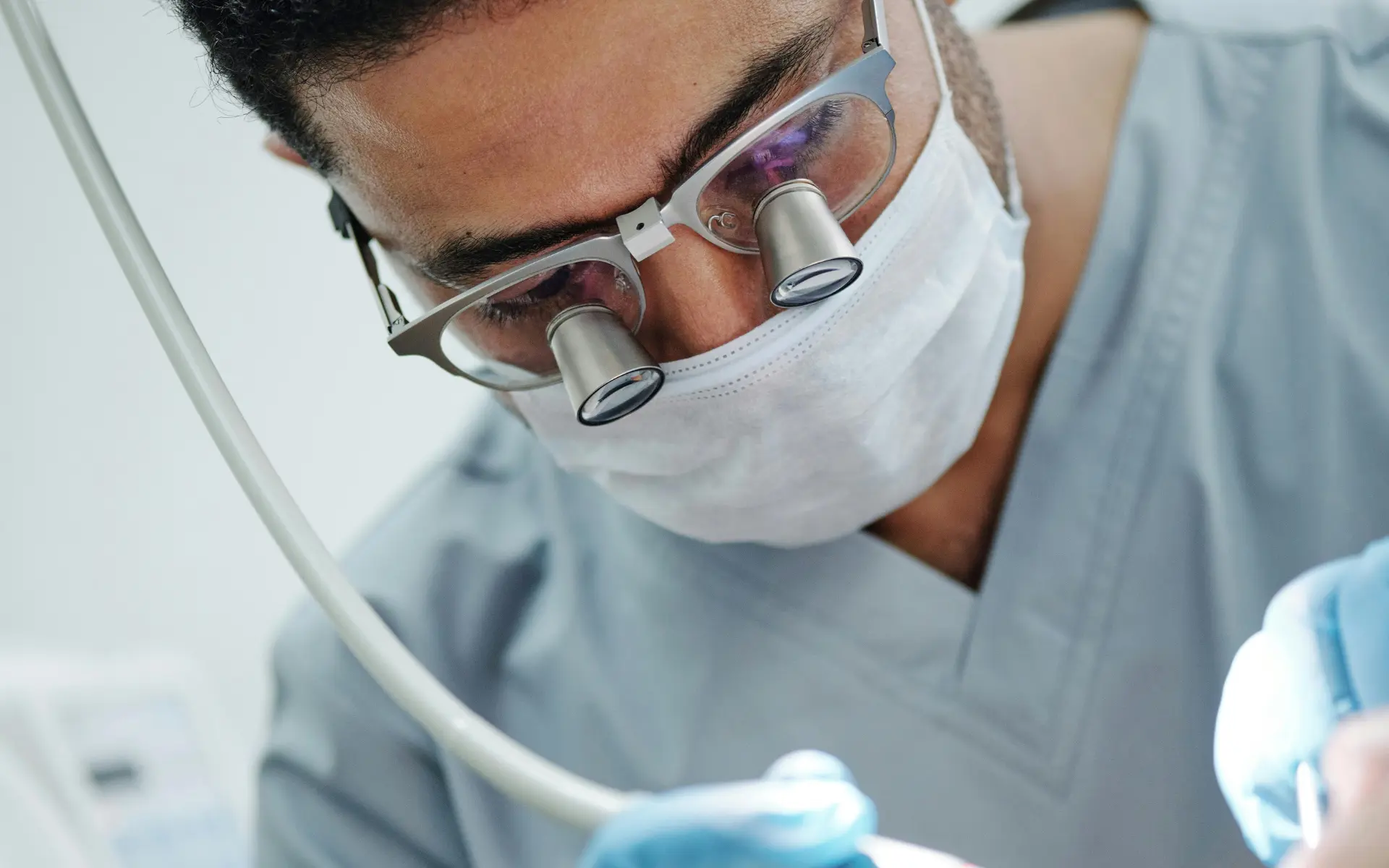
What Does Recovery From Osseous Surgery Look Like?
Following osseous surgery, patients typically experience some swelling, tenderness, and minor bleeding for the first few days. We provide detailed post-operative instructions and may prescribe antibiotics or a prescription mouth rinse to support healing. Most patients return to normal activities within two to three days, though complete tissue healing takes several weeks.
We'll schedule a follow-up appointment roughly one to two weeks after the procedure to check your healing progress and remove any sutures. Future periodontal maintenance visits — typically every three to four months — will help ensure the results hold and the disease does not return.
.webp)

Think You May Need Osseous Surgery? Let's Find Out Together.
If you've been diagnosed with advanced gum disease, or if you're experiencing symptoms like deep pockets, persistent bad breath, bleeding gums, or loose teeth, don't wait. The sooner we address the problem, the better your chances of preserving your natural teeth long-term. Call Bethesda Center for Family and Cosmetic Dentistry or book an appointment online — your gum health is worth protecting.