
%20(1).webp)
.webp)
What Invisalign Treats
Invisalign clear aligners are designed to address a wide variety of orthodontic concerns. Through advanced digital planning and custom aligner fabrication, treatment can correct both cosmetic and functional dental issues.
Common conditions Invisalign can help improve include:
- Crowded teeth that overlap or twist.
- Gaps or spacing between teeth.
- Mild to moderate overbites and underbites.
- Crossbites affecting bite balance.
- Mild open bites or alignment irregularities.
Because every smile is unique, a professional evaluation helps determine whether clear aligner therapy is the most effective treatment for your specific needs.
Who Is a Good Candidate for Invisalign
Many adults and teens qualify for Invisalign treatment. Ideal candidates are individuals with mild to moderate alignment concerns who are committed to wearing their aligners as directed.
Patients often choose Invisalign if they:
- Prefer a discreet orthodontic option.
- Want removable aligners for eating and oral hygiene.
- Have spacing, crowding, or minor bite issues.
- Maintain good overall oral health.
During your consultation, your dentist will evaluate your teeth, bite, and treatment goals to determine if clear aligners are the best option.
Invisalign vs. Braces
Both Invisalign and traditional braces straighten teeth effectively, but they differ in design and lifestyle impact.
Clear aligners offer several advantages for many patients:
- Nearly invisible appearance.
- Removable trays for meals and brushing.
- Smooth plastic without metal brackets or wires.
- Fewer emergency visits for broken hardware.
Traditional braces may still be recommended for complex orthodontic cases, but Invisalign provides a flexible alternative for many common alignment concerns.
How the Invisalign Process Works
The Invisalign process uses advanced digital technology to create a personalized treatment plan:
- Consultation and digital scan: Your dentist captures detailed images of your teeth using modern scanning technology.
- Custom treatment planning: A digital model maps how your teeth will gradually move throughout treatment.
- Aligner series creation: A set of custom trays is fabricated specifically for your smile.
- Progressive tooth movement: You switch to a new aligner every one to two weeks to continue shifting teeth into position.
- Periodic checkups: Short visits allow your dentist to monitor progress and make adjustments if necessary.
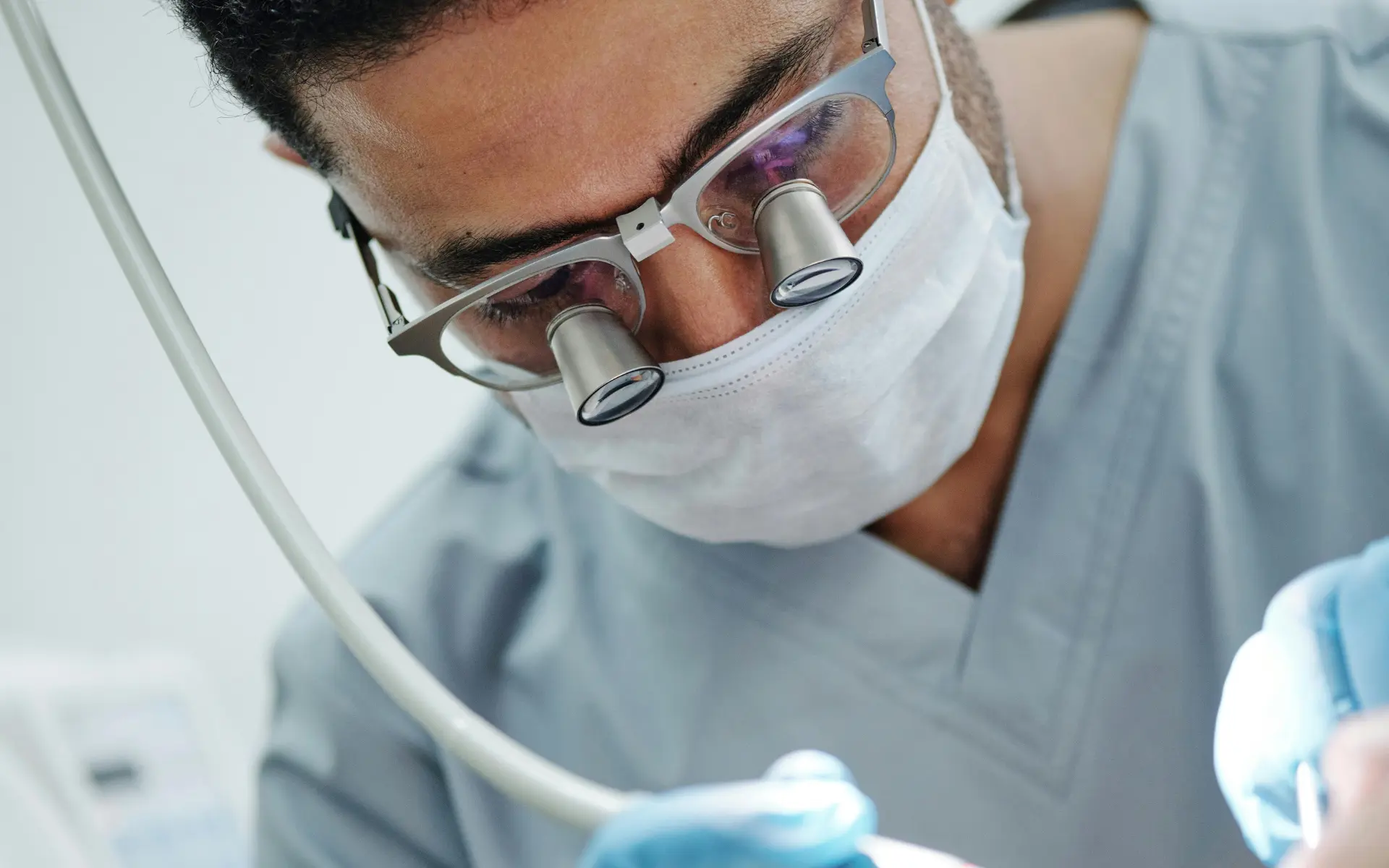
What to Expect During Treatment
Most Invisalign patients wear their aligners 20–22 hours per day, removing them only for eating, drinking (anything besides water), brushing, and flossing. Each new aligner may create mild pressure for a day or two, which indicates that your teeth are moving as planned.
Good daily habits can help ensure successful treatment:
- Wear aligners consistently throughout the day.
- Clean trays regularly to prevent staining and odor.
- Store aligners safely when removed.
- Maintain regular brushing and flossing.
After treatment, retainers help maintain the new alignment and protect your results long term.
.webp)

Choose Our Office for Invisalign in Bethesda, MD
At Bethesda Center for Family and Cosmetic Dentistry, our team focuses on personalized treatment planning and modern dental technology to help patients achieve beautiful, functional smiles. We take time to understand your goals, explain your options clearly, and guide you through every step of your orthodontic journey.
If you’re ready to explore a more comfortable and discreet way to straighten your teeth, schedule a consultation today to learn more about Invisalign and how clear aligner therapy can transform your smile.
*Invisalign®, the Invisalign logo, and iTero®, among others, are trademarks and/ or service marks of Align Technology, Inc. or one of its subsidiaries or affiliated companies and may be registered in the U.S. and/or other countries.