

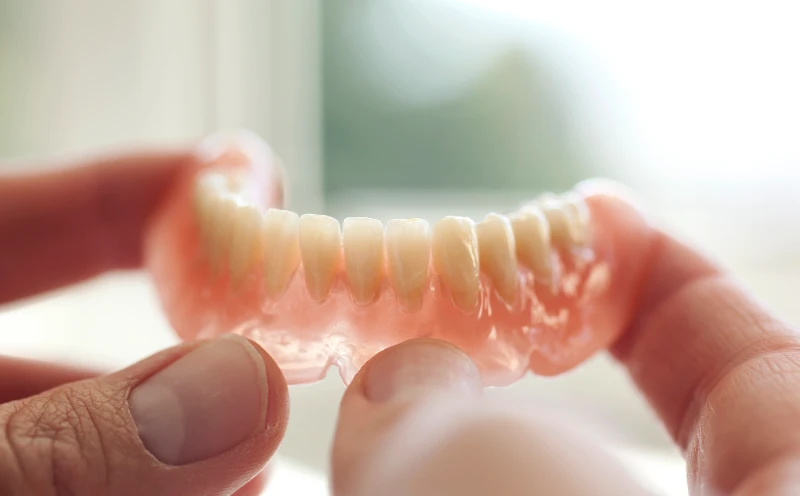
Getting Comfortable With Your New Dentures
- Expect an adjustment period of several weeks — soreness, increased saliva production, and minor speech changes are all normal at first.
- Start with soft foods cut into small pieces, chewing slowly on both sides of your mouth.
- Practice speaking aloud at home — reading out loud or singing can help speed up speech adaptation.
- Avoid very hard, sticky, or chewy foods, especially in the early weeks.
Daily Denture Care
- Remove your dentures at night to give your gum tissue time to rest.
- Store dentures in water or a denture-soaking solution overnight to prevent them from drying out and warping.
- Clean your dentures daily with a soft denture brush and mild denture cleanser — never use regular toothpaste, which is too abrasive.
- Handle your dentures over a folded towel or basin of water to cushion them if dropped.
Caring for Your Mouth
- Even without natural teeth, brush your gums, tongue, and palate gently with a soft toothbrush each morning before inserting your dentures.
- This stimulates circulation and removes bacteria that can cause irritation or bad breath.
- If you have partial dentures, continue brushing and flossing your remaining natural teeth carefully.
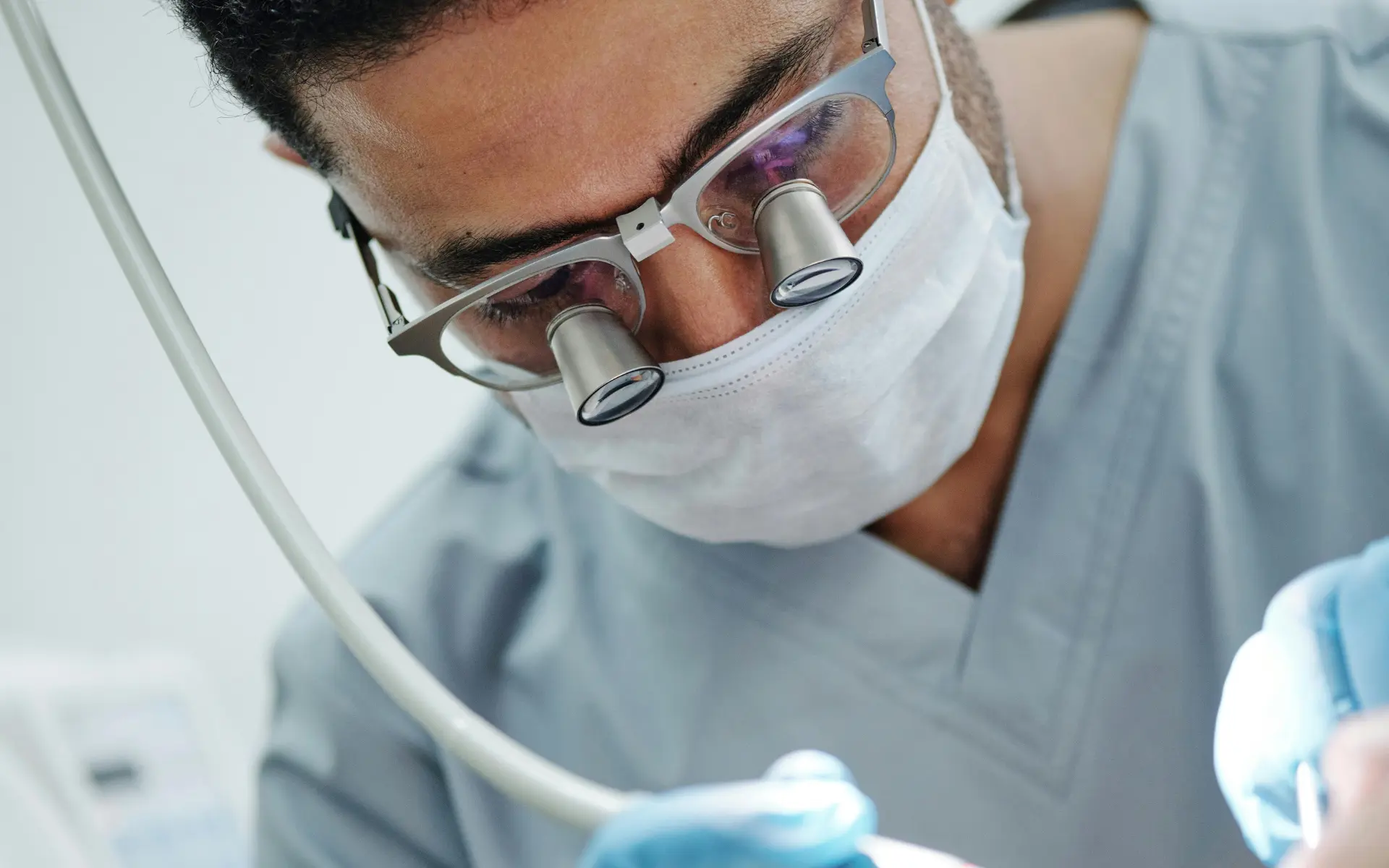
- Regular dental checkups are still important — we monitor your gum health, bone levels, and denture fit over time.
.webp)
When to Call Our Office
- Persistent sore spots or irritation that don't improve after a few days.
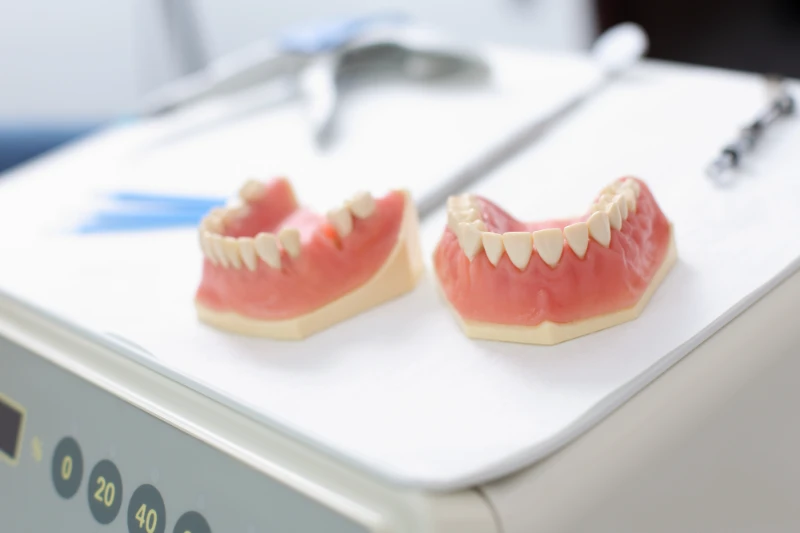
- Dentures that feel loose, slip frequently, or click when eating or speaking.
- Visible cracks, chips, or broken clasps on the denture.
- Any changes in fit as your jaw and gum tissue continue to adapt.
Adjusting to dentures takes time, and our team is with you every step of the way. Don't suffer in silence — call Bethesda Center for Family and Cosmetic Dentistry and we'll make sure your fit and comfort are just right.