

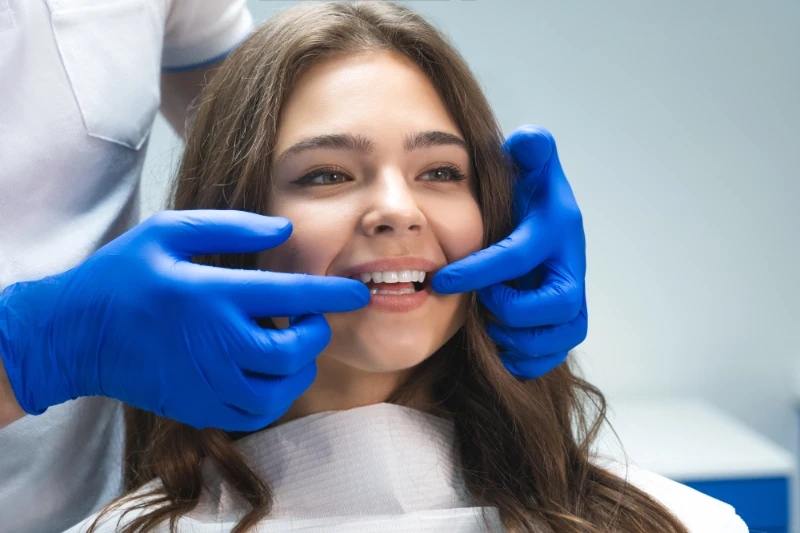
Immediately After Placement
- Some sensitivity to temperature and pressure in the first few days is normal as your teeth adjust.
- If you received temporary veneers, treat them gently — they are not as strong as your permanent restorations.
- Avoid biting into very hard foods (ice, hard candy, crusty bread) directly with your veneered teeth.
- Your bite may feel slightly different at first — this typically settles within a week or two.
Daily Care & Hygiene
- Brush gently twice daily with a non-abrasive toothpaste — avoid whitening toothpastes with harsh abrasives that can dull the veneer surface.
- Floss daily, sliding gently rather than snapping the floss at the gumline.
- Consider using a soft-bristled toothbrush to protect both the veneers and your gumline.
- Avoid mouthwashes that contain high levels of alcohol, which can weaken the bonding agent over time.
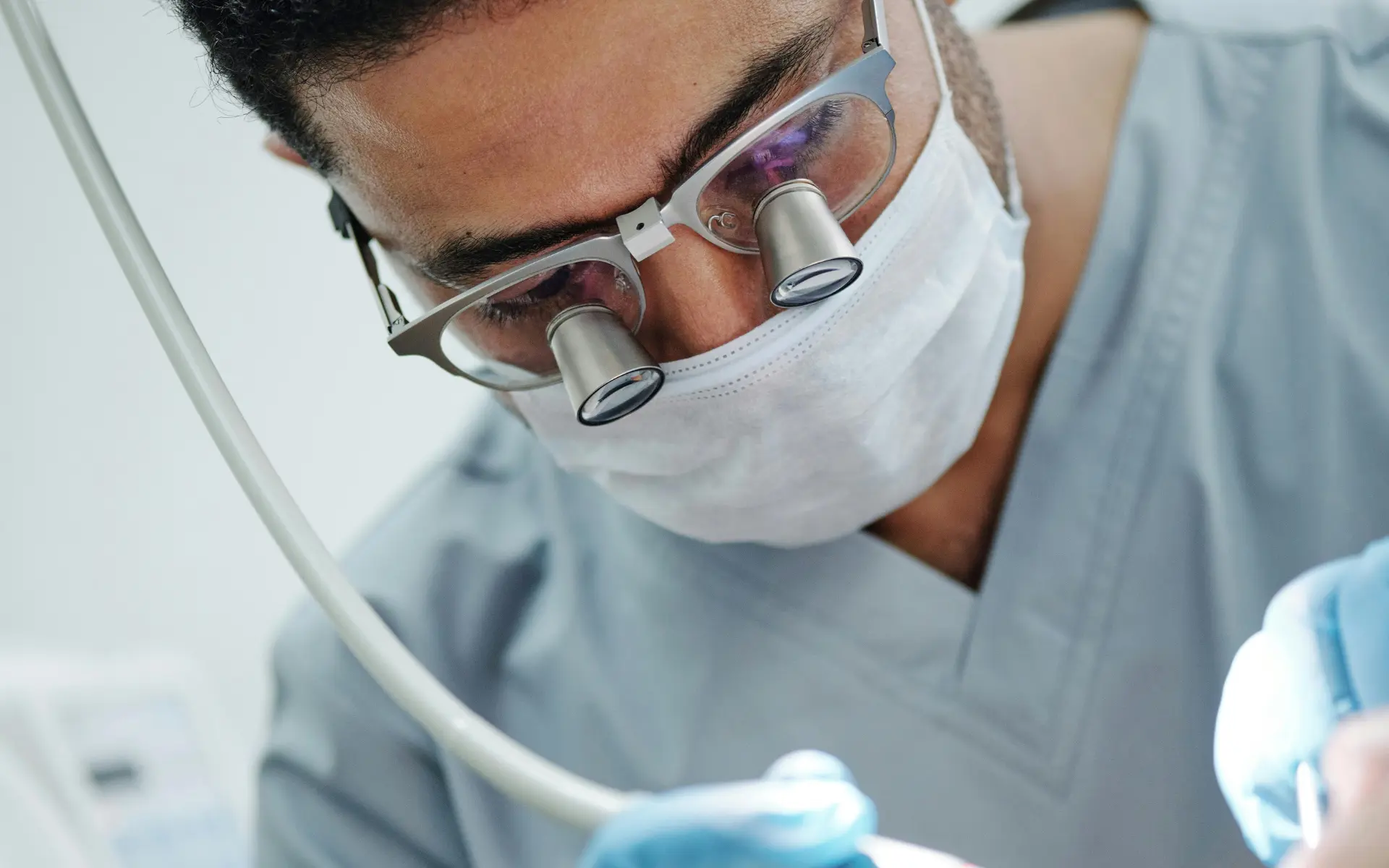
Protecting Your Veneers Long-Term
- If you grind or clench your teeth at night, ask about a custom nightguard — this is one of the most important things you can do to extend veneer life.
- Avoid using your teeth as tools (opening packages, biting nails, etc.).
- Limit staining beverages like coffee, tea, and red wine, or use a straw to minimize direct contact.
- Wear a mouthguard during contact sports.
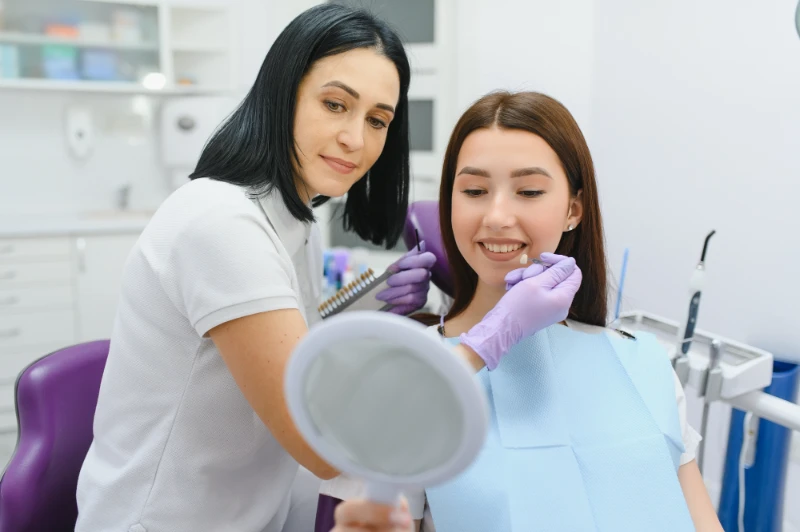
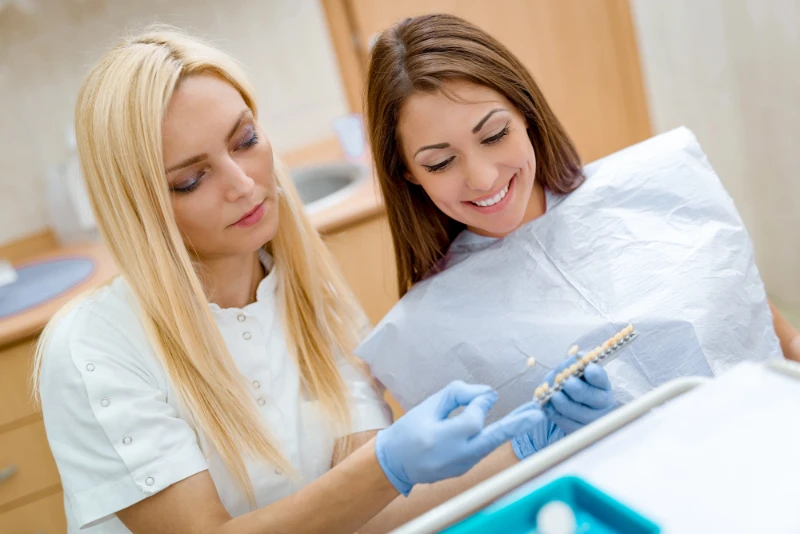
When to Call Our Office
- A veneer feels loose, chipped, or has come off entirely.
- Persistent sensitivity or discomfort beyond two weeks.
- Bite feels significantly off after the adjustment period.
Your veneers are crafted to last — keep them looking their best with regular checkups at Bethesda Center for Family and Cosmetic Dentistry. Give us a call anytime with questions!