

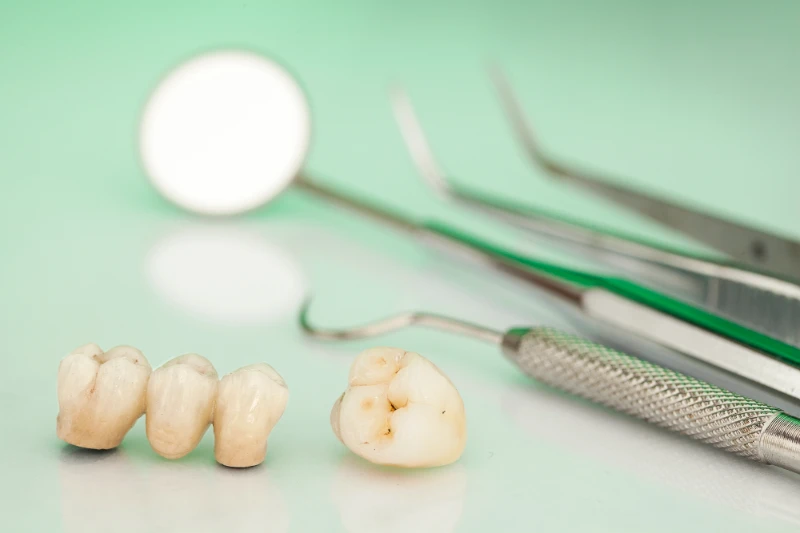
Right After Your Appointment
- If you received a temporary crown or bridge, avoid sticky, chewy, or hard foods that could pull it loose.
- Chew on the opposite side of your mouth when possible until your permanent restoration is in place.
- Some sensitivity to temperature and pressure is normal in the first few days — this usually subsides as you adjust.
- If your temporary comes off, call our office promptly — leaving the prepared tooth exposed can cause sensitivity and shifting.
Daily Cleaning & Hygiene
- Brush twice daily with a soft-bristled toothbrush and non-abrasive toothpaste.
- Floss daily, but use a gentle sliding motion rather than snapping — this is especially important around a bridge where the floss passes under the pontic (false tooth).
- A floss threader or water flosser can make cleaning under a bridge much easier.
- Antibacterial mouthwash can help keep the gumline around your restoration healthy.
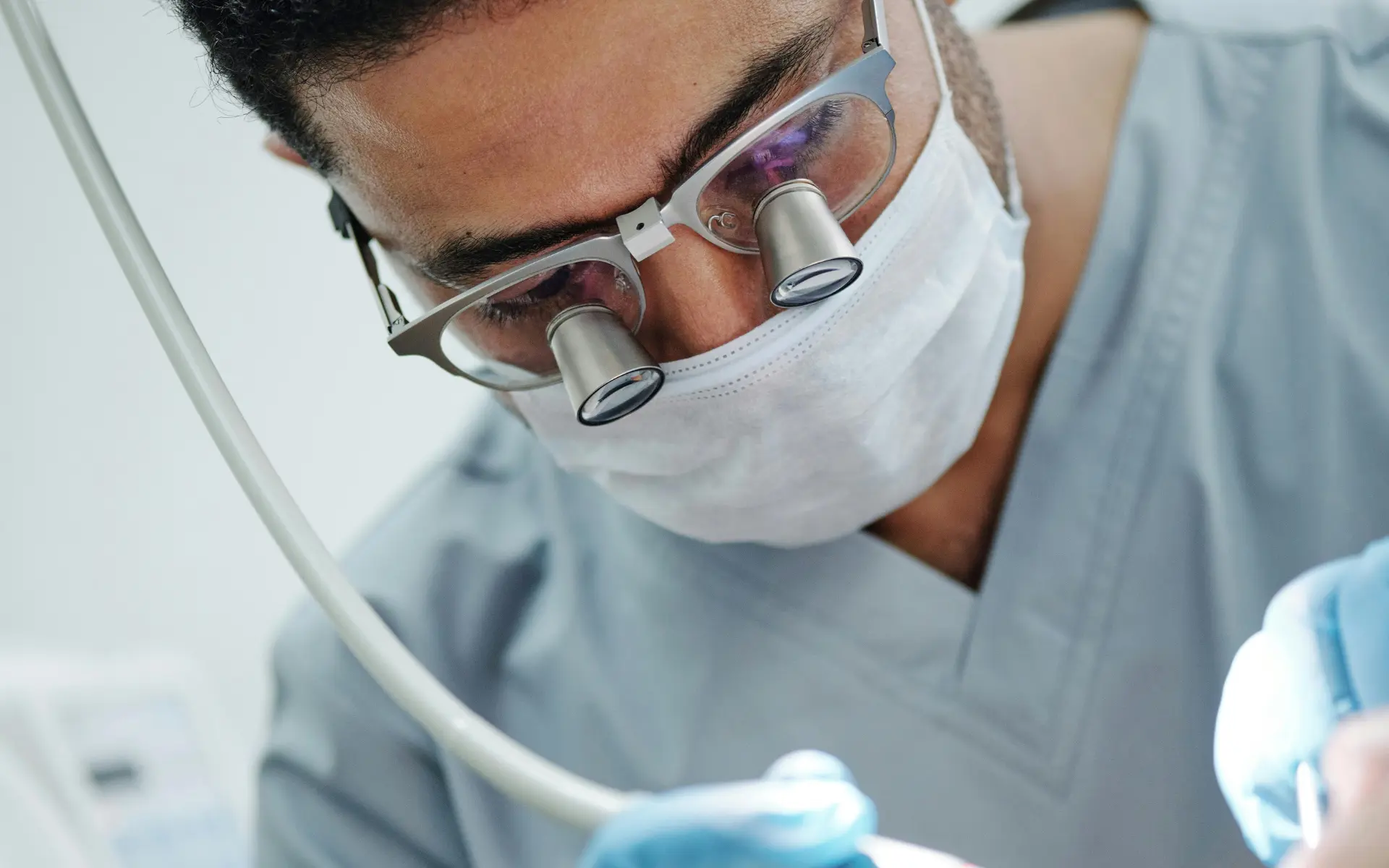
Protecting Your Restoration
- Avoid chewing ice, hard candy, or other excessively hard foods that could crack or dislodge your crown or bridge.
- If you clench or grind at night, a nightguard is strongly recommended to protect your restoration.
- Wear a mouthguard during contact sports.
- Crowns and bridges don't decay, but the natural tooth structure beneath and around them can — consistent oral hygiene is still essential.

.webp)
When to Call Our Office
- Your crown or bridge feels loose or has come off.
- Bite feels uneven or uncomfortable after the initial adjustment period.
- Sensitivity or pain that worsens rather than improves over time.
- Visible cracks, chips, or damage to the restoration.
A well-cared-for crown or bridge can last 10–15 years or more. Our team at Bethesda Center for Family and Cosmetic Dentistry is here to help you get every bit of that lifespan — reach out anytime!